Kadampa Buddhism
A practical approach to Buddhism for the modern world
Kadampa Buddhismis a Mahayana Buddhist tradition founded by the great Indian Buddhist Master Atisha (982–1054 CE). The word ‘Kadampa’ refers to a practitioner who integrates all the teachings of Buddha into their everyday life. ‘Ka’ refers to Buddha’s teachings, and ‘dam’ to Atisha’s special Lamrim instructions known as the ‘stages of the path to enlightenment’.
An unbroken lineage of realised Buddhist masters
Buddha Shakyamuni (c. 563–483 BCE)
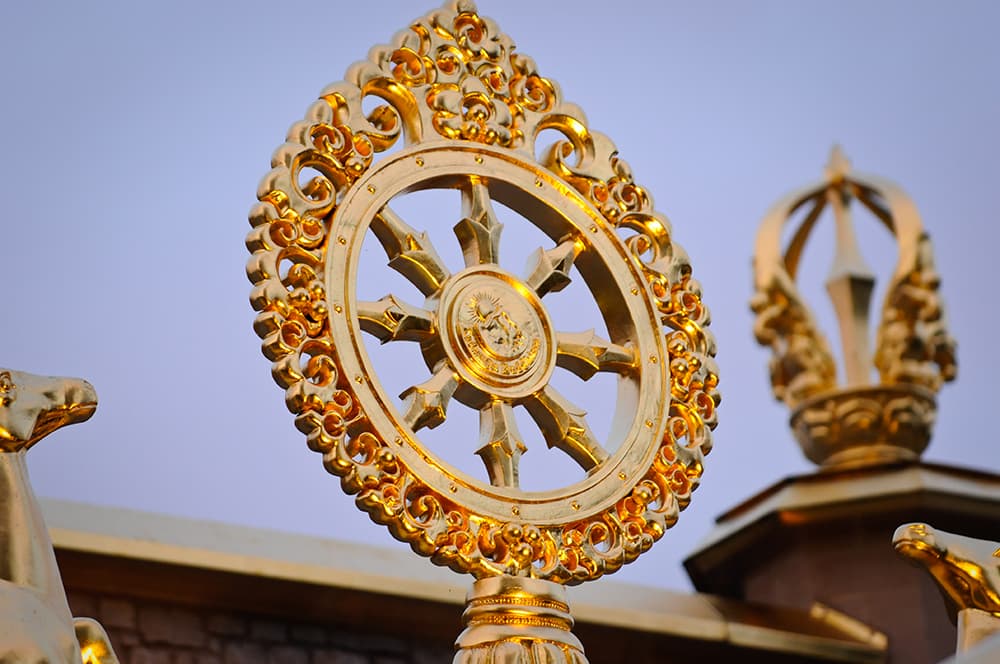
The founder of Buddhism, who attained enlightenment and turned the Wheel of Dharma for the benefit of all living beings

Buddha’s teachings branched into two great streams. The profound path of wisdom passed through Manjushri to Nagarjuna. The vast path of compassion passed through Maitreya to Asanga.
Over fifteen centuries these two lineages were transmitted through an unbroken succession of Indian Buddhist masters. Atisha received and mastered both, uniting them into a single practical path.
Atisha (982–1054)
The great Indian Buddhist master who reintroduced pure Buddhism into Tibet and composed Lamp for the Path, the original Lamrim text
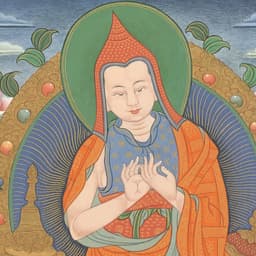
Atisha’s foremost disciple Dromtönpa founded the Kadam school in Tibet. Over the following centuries the Kadampa lineage was passed through a succession of accomplished masters until Je Tsongkhapa reinvigorated the entire tradition.
Je Tsongkhapa (1357–1419)
Reviver and systematiser of the Kadampa tradition in Tibet, whose teachings form the heart of the Gelug school
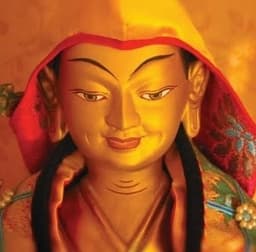
Je Tsongkhapa’s key disciples — Khedrubje, Gyaltsabje, and Duldzin Drakpa Gyaltsen — preserved and spread his teachings. Through an unbroken line of great masters, the pure Ganden Oral Lineage was transmitted across five centuries until Pabongkhapa Rinpoche.
Pabongkhapa Déchen Nyingpo (1878–1941)
One of the most influential Gelug lamas of the 20th century, who revived the Lamrim and Lojong traditions across Tibet
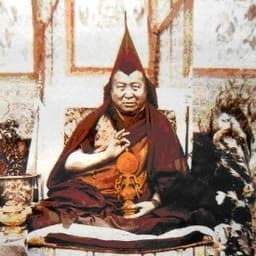
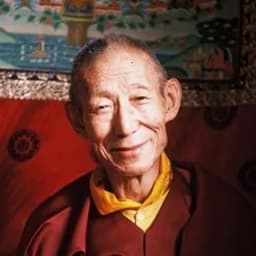
Kyabje Trijang Rinpoche (1901–1981)
Root Guru of Venerable Geshe Kelsang Gyatso, renowned for his vast knowledge and pure example
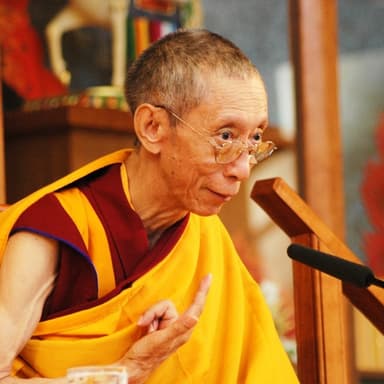
Venerable Geshe Kelsang Gyatso Rinpoche
1931–2022
Known affectionately as ‘Geshe-la’, he was a fully accomplished Buddhist master and internationally renowned meditation teacher. Born in Tibet, he spent twenty years in meditation retreat in the Himalayas before travelling to the West in 1977 at the request of his Spiritual Guide, Kyabje Trijang Rinpoche.
He founded the NKT-IKBU and established over 1,300 centres and groups worldwide. He authored 23 highly acclaimed books on Buddhist thought and meditation, and inaugurated the International Temples Project, a plan to build Buddhist Temples in every major city in the world.
His vision was to make Buddha’s teachings accessible to everyone, regardless of nationality, age, or background.
Our Spiritual Directors
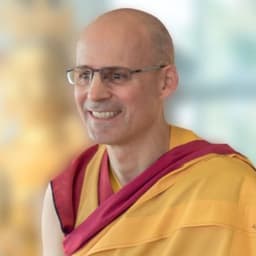
Gen-la Jampa
General Spiritual Director
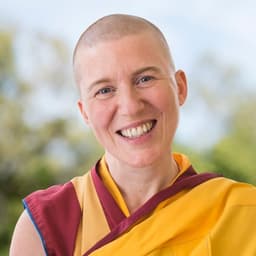
Gen-la Sangden
Deputy Spiritual Director

Kadam Bridget
UK National Spiritual Director
Retired Spiritual Directors
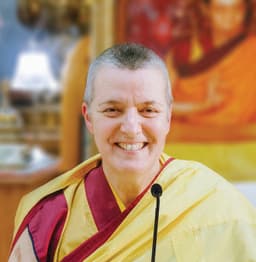
Gen-la Dekyong
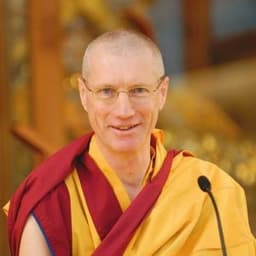
Gen-la Khyenrab
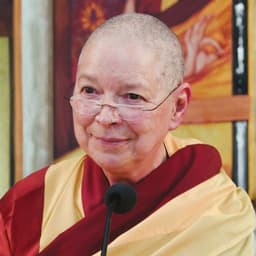
Gen-la Kunsang
Today, the Kadampa Buddhist tradition is practised and preserved through the New Kadampa Tradition – International Kadampa Buddhist Union (NKT-IKBU), founded by Venerable Geshe Kelsang Gyatso Rinpoche.
Our Teachers at KMC London

Kadam Lucy James

Thomas Tozer
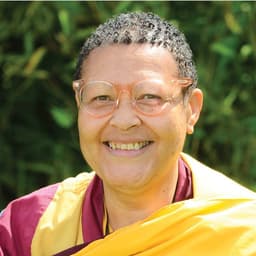
Gen Kelsang Lekmon
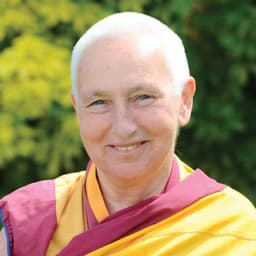
Kelsang Drolkar

Worldwide
The New Kadampa Tradition is an international Buddhist organisation with over 1,300 centres and groups in more than 40 countries. The tradition organises International Kadampa Festivals twice a year at Manjushri KMC in the Lake District, bringing together thousands of practitioners from around the world.
This loads content from kadampa.org, which receives your IP address and may set cookies. See our privacy policy.